Reiki
Reiki is a gentle Japanese relaxation practice in which a practitioner places their hands lightly on or just above your body. Compare Reiki practitioners near you, see typical UK prices and find out what a session involves.
What is Reiki?
Reiki was developed in Japan in the early 20th century. Practitioners describe it as channelling "life force energy" through their hands to promote relaxation and wellbeing. There is no scientific evidence that this energy exists or that Reiki can treat medical conditions, but many people find sessions calming and restorative.
What happens in a session
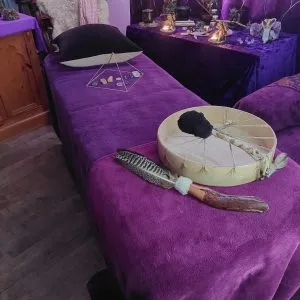
You stay fully clothed and lie on a couch or sit in a chair. The practitioner places their hands lightly on, or just above, a series of positions on your head, body and feet, holding each for a few minutes. Sessions usually last 45–60 minutes. Many people feel warmth, tingling or deep relaxation; some fall asleep.
Who it suits
Reiki can suit people who want a very gentle, non-physical way to relax, including those who don't like massage or firm touch. It can also be done at a distance, which some practitioners offer online. Reiki is not a substitute for medical or psychological care.
Qualifications to look for
Reiki is not regulated by law. Practitioners train in levels (often called Reiki 1, 2 and Master). Look for a practitioner who belongs to a professional body such as the UK Reiki Federation or the Reiki Association, has insurance, and ideally is registered with the Complementary and Natural Healthcare Council (CNHC). See our accreditation guide.
Top-rated reiki practitioners